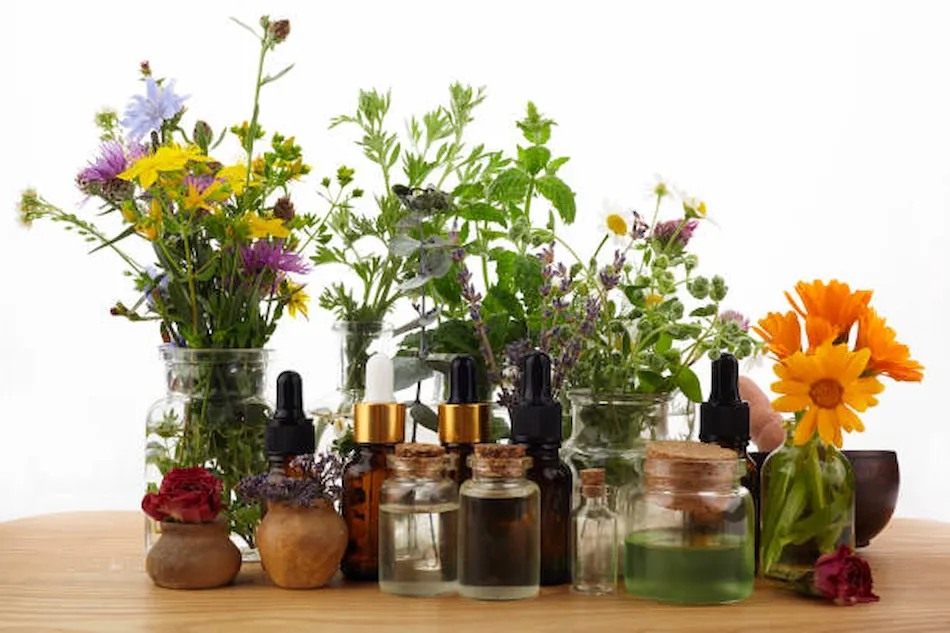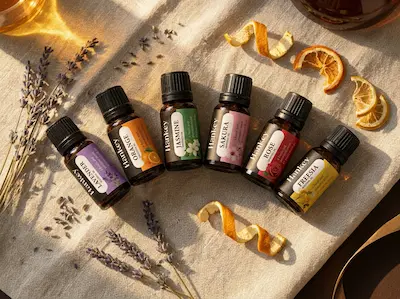
Lavender for calm, eucalyptus for clarity, citrus for energy. Here’s a simple guide to matching scents with how you want to feel.
Not all essential oils are created equal — and not all moods call for the same scent. Here’s how to match what you smell with how you want to feel.
Walk into any wellness store and you’ll find dozens of essential oils lined up in dark glass bottles, each one promising something slightly different. Lavender for calm. Peppermint for focus. Eucalyptus for clarity. But how do you actually choose? And does any of it really work?
The answer is yes — and the science behind it is more straightforward than you might think. Scent is the only sense with a direct neural pathway to the limbic system, the part of the brain that governs emotion, memory, and mood. When you inhale an essential oil, its molecules travel through the olfactory nerve and trigger an immediate emotional and physiological response. No other sense does this so quickly or so directly.
Here’s a practical guide to choosing the right oil for every state of mind.
When You Need to Calm Down
Best oils: Lavender, Chamomile, Bergamot, Frankincense
Lavender is the most studied essential oil in the world, and for good reason. Multiple clinical trials have shown that inhaling lavender oil significantly reduces anxiety, lowers heart rate, and promotes a sense of calm within minutes. It works particularly well before bed, during stressful work calls, or any time your nervous system feels overloaded.
Chamomile has a softer, slightly sweet scent and is especially good for emotional stress — the kind that sits in your chest, not just your head. Bergamot, a citrus oil pressed from the rind of a fragrant green fruit grown in southern Italy, is often described as both uplifting and calming at the same time, making it perfect for anxiety that comes with low mood. Frankincense, with its warm, resinous quality, slows and deepens the breath almost automatically — one of the reasons it has been used in meditation and prayer rituals for thousands of years.
When You Need to Focus
Best oils: Peppermint, Rosemary, Lemon, Basil
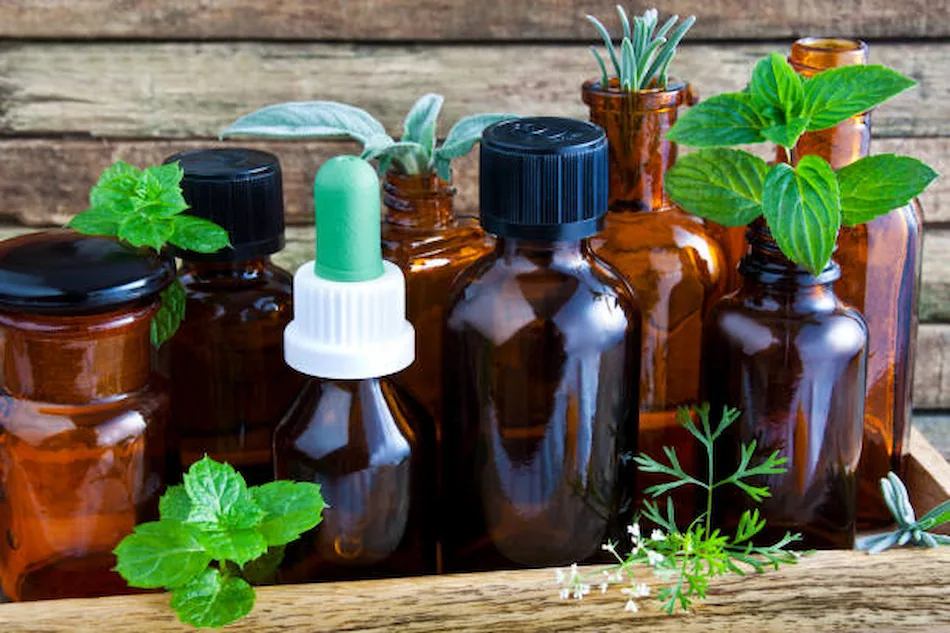
Research published in the International Journal of Neuroscience found that rosemary aroma improved speed and accuracy on mental tasks. Peppermint has a similar effect — its sharp, cooling scent activates alertness and has been shown to reduce mental fatigue during long work sessions. Keep a diffuser running on your desk with peppermint or rosemary when you need to concentrate, write, or problem-solve.
Lemon is underrated as a focus oil. Its clean, bright scent cuts through mental fog and has been linked to improved mood and concentration in workplace studies conducted in Japan. Basil essential oil, though less commonly known, supports mental clarity and is particularly useful when you’re feeling scattered or overwhelmed.
When You Need Energy
Best oils: Sweet Orange, Grapefruit, Eucalyptus, Spearmint
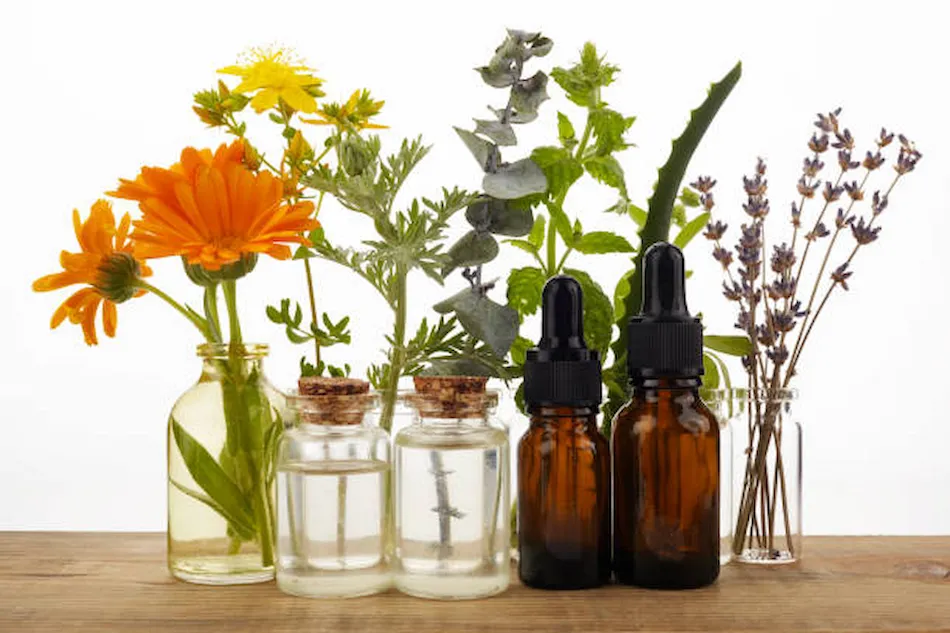
Citrus oils are nature’s energy drink — without the crash. Sweet orange and grapefruit are uplifting, mood-brightening, and particularly effective in the morning when your body is still waking up. Diffuse them while you’re getting dressed or having breakfast. Eucalyptus opens the airways and delivers a clean, invigorating burst of freshness that signals to your body it’s time to be awake and alert.
When You Need to Sleep
Best oils: Lavender, Cedarwood, Vetiver, Sandalwood
For sleep, lavender again tops the list — but cedarwood and vetiver are powerful additions worth knowing. Cedarwood contains cedrol, a compound that has sedative properties and has been shown to reduce stress and promote sleep. Vetiver is earthy and grounding, with a rich, deep scent that anchors the mind and quiets racing thoughts. Sandalwood is warm and slightly sweet, often described as feeling like a mental hug — ideal for those who struggle to wind down at night.
When You Need Emotional Comfort
Best oils: Rose, Ylang Ylang, Neroli, Clary Sage
These are the oils for harder days. Rose is the most expensive essential oil in the world (it takes around 4,000 kg of rose petals to make 1 kg of oil), but even a few drops are enough to create a sense of warmth and emotional safety. Ylang ylang has a rich, floral scent that lowers blood pressure and heart rate, and has been used in aromatherapy to ease grief and emotional shock. Neroli, distilled from orange blossoms, is uplifting and comforting in equal measure — one of the great oils for navigating difficult emotional periods.
A Practical Starting Point
If you’re new to essential oils, start with three: lavender, lemon, and sweet orange. Together they cover calm, focus, and energy — the three most common mood needs — and all three are affordable, widely available, and pleasant to live with every day.
The most important thing is to use pure essential oils, not synthetic fragrance oils. Synthetic versions may smell similar but they don’t have the same therapeutic compounds. Look for oils labeled “100% pure essential oil” with the botanical Latin name on the bottle — this is your best indicator of quality.
Your nose is a remarkable instrument. Trust it, explore slowly, and pay attention to how different scents make you feel. That’s the beginning of your own aromatherapy practice.